 Werder Hub
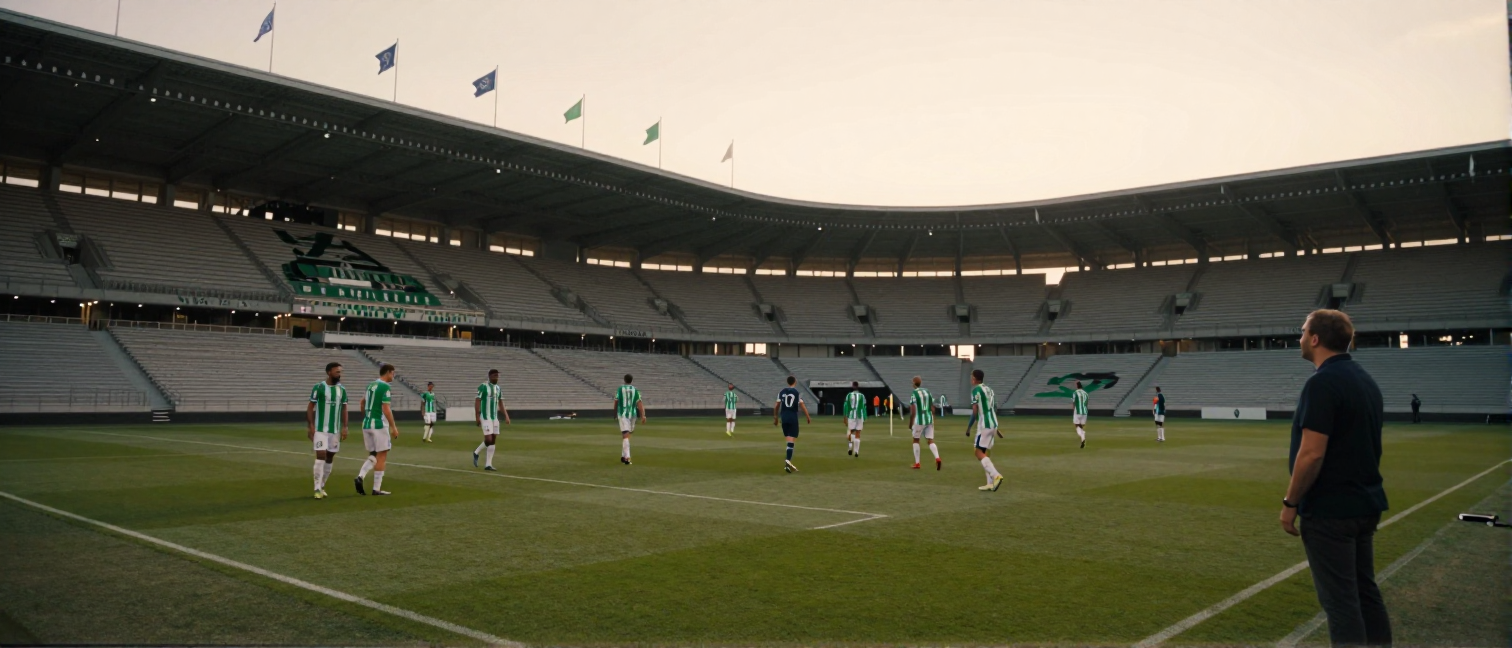
Werder have experienced some positive developments in recent weeks, but recent results indicate that it's time to analyze the tactical nuances and make adjustments. In matches against stronger opponents like Bayern and Leipzig, the team has often faltered defensively while showing potential in attack. One of the biggest challenges for the coaching staff is finding the balance between offense and defense.
Defensive Stability
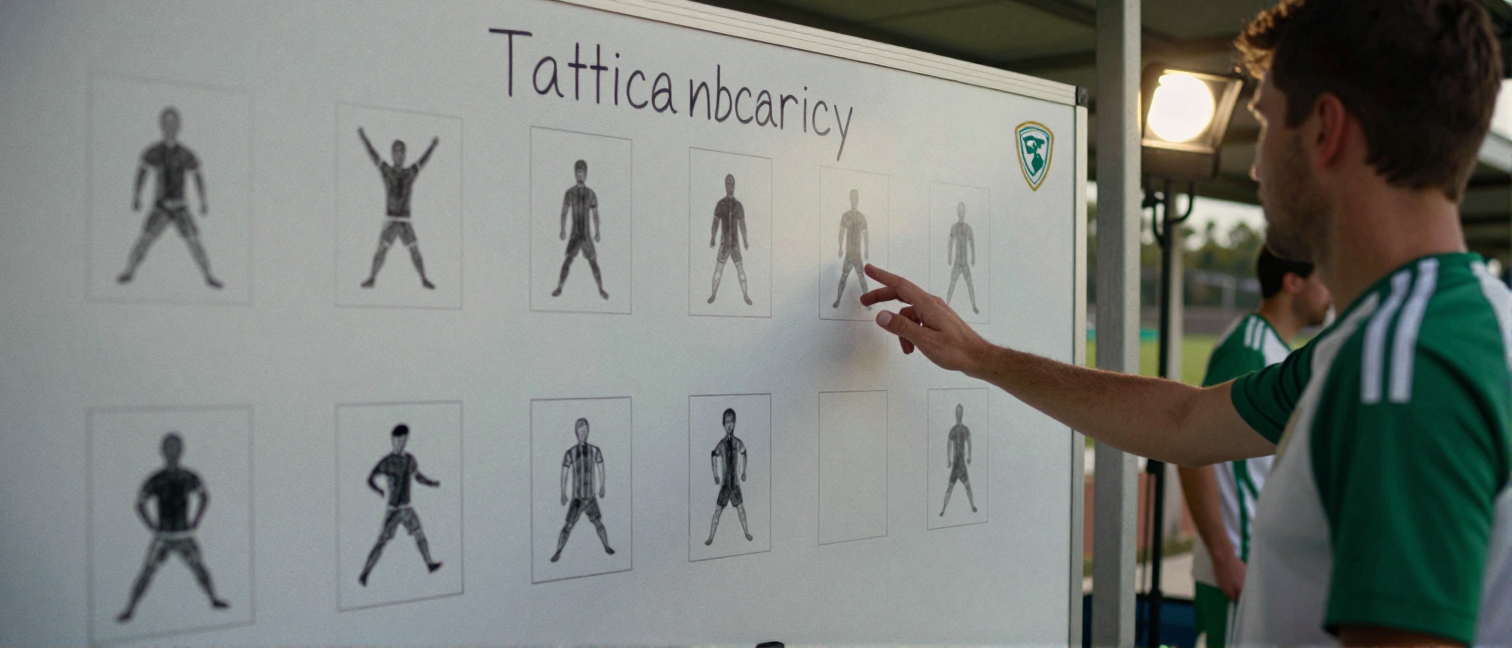
A pattern has emerged in recent encounters: when Werder falls behind, the team tends to adopt an overly offensive approach, putting additional pressure on the defense. The backline, which is often vulnerable to quick counterattacks, could benefit from a more compact playing style. Switching to a 4-2-3-1 formation could help create extra stability by having two defensive midfielders in front of the defense, thus minimizing space for opposing attackers.
Evolving the Offensive Play
At the same time, the offense should not be neglected. A stronger emphasis on wing play could make a decisive difference. Players like Marvin Ducksch or Niclas Füllkrug should be drawn wide to destabilize the opponent's defense. Additionally, increased support from the full-backs, who push higher up the pitch to create overload situations, could increase pressure on the opposing defense.
Player Rotation and Freshness
Another aspect that coach Ole Werner should consider is player rotation. The workload of recent weeks has led to a noticeable decline in performance among some key players. Smart rotation can not only preserve player freshness but also increase tactical flexibility and bring new impulses to the team.
Conclusion
Overall, it will be crucial for Werder to find the right balance between attack and defense. With targeted adjustments, a stronger defensive structure, and a creative offensive approach, the team can take the next step in its development. The upcoming matches present an opportunity to put these tactical considerations into practice and bring Werder back on the path to success.