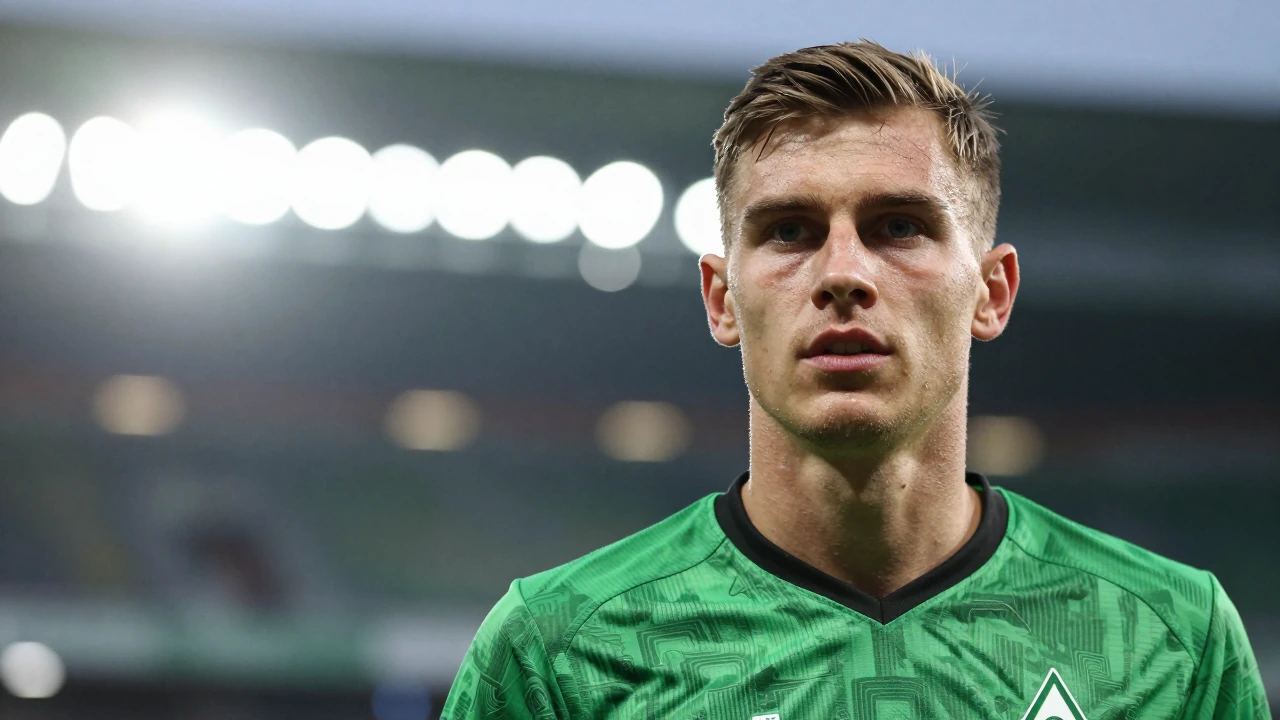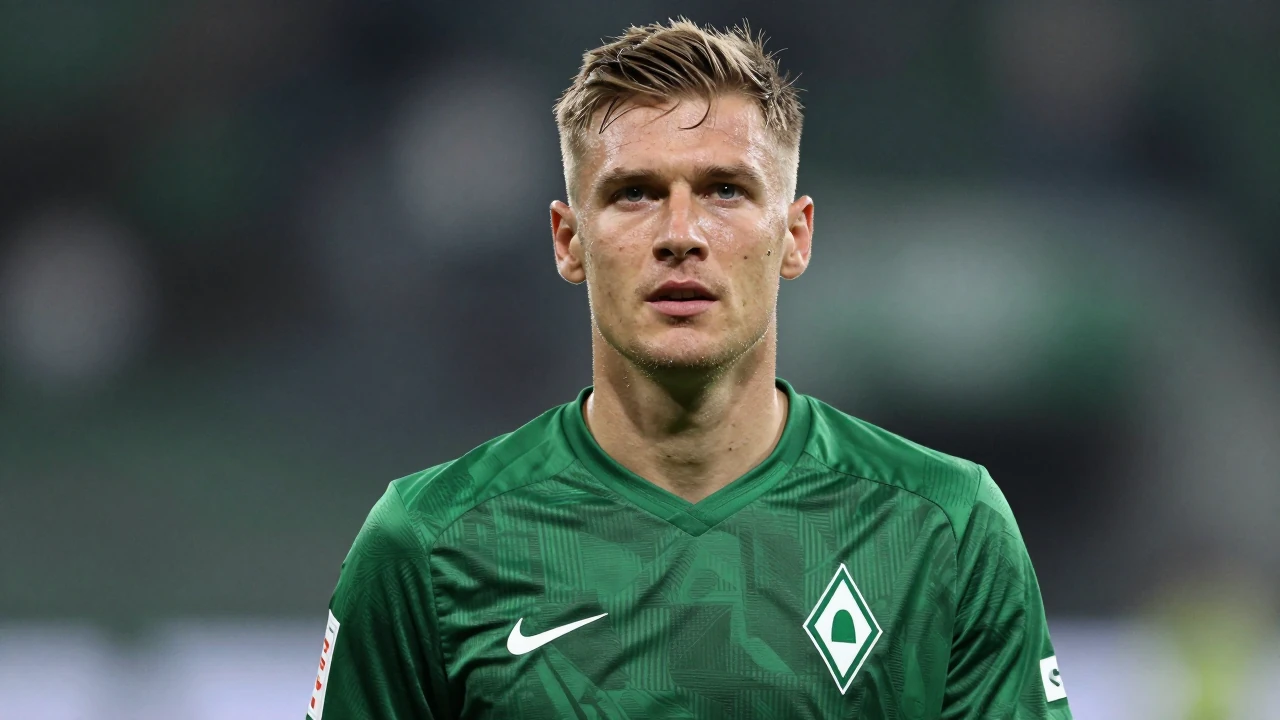

Werder Bremen has placed a clear emphasis on short passes and controlled build-up play in the first two Bundesliga matches of the 2026/27 season. This is according to an internal data analysis published by the club on Monday, September 7, 2026.
Head coach Ole Werner's team sits in 10th place in the table with 3 points from one win and one loss. They have scored 4 goals and conceded 5, resulting in a slightly negative goal difference. The next challenge comes on Saturday away to 11th-placed 1. FC Köln.
The evaluation of the first two matches against VfB Stuttgart and Borussia Mönchengladbach reveals a clear tactical direction. Over 60 percent of all passes played were short passes covering a distance of less than 15 meters. This high percentage highlights the intent to circulate the ball safely among their own ranks and keep pressure away from their own penalty area. The accuracy of these short combinations was particularly high in the central midfield zones.
This style of play requires mobility and technical security. Currently, however, the team is missing several injured players. Felix Agu, Jens Stage, Justin Njinmah, Eren Dinkçi, and Senne Lynen are all sidelined and listed on the injuries page. Their return would significantly expand the options for short-passing play.
The analysis identifies several actors as particularly important for the short build-up. The defensive midfielder, often acting as the first passing station, had the most touches and initiated the majority of attacks. The centre-backs were also heavily involved in the first phase of build-up, deliberately linking up with the advancing full-backs.
This tactical framework is designed to provide stability. Being just three points behind leaders FC Augsburg, the situation in the young season remains completely open. The current standings show many teams are closely packed together.
The injury situation is putting the concept to the test. Missing players like Stage and Njinmah possess precisely the dynamism and speed needed to break through opposing pressing lines. Without them, the team must rely even more on patience and precise passing sequences.
Nevertheless, the squad has good foundations. Technically adept players in defence and the centre can control the game's tempo and space. The task now is to use these strengths even under opponent pressure and in away games like the upcoming clash in Cologne.
The away game on September 12 against 1. FC Köln will be a key test for implementing this playing philosophy. Cologne, currently in 11th place, will try to put early pressure on Werder and block passing lanes. Bremen will then need to find alternative solutions, perhaps through longer balls to the wings or direct passes to the striker.
Preparation for this match will focus intensely on the opponent's pressing. The team is training specific scenarios this week to maintain composure for short build-up play even under stress. The next fixture is on Saturday, September 12, 2026, in Cologne.